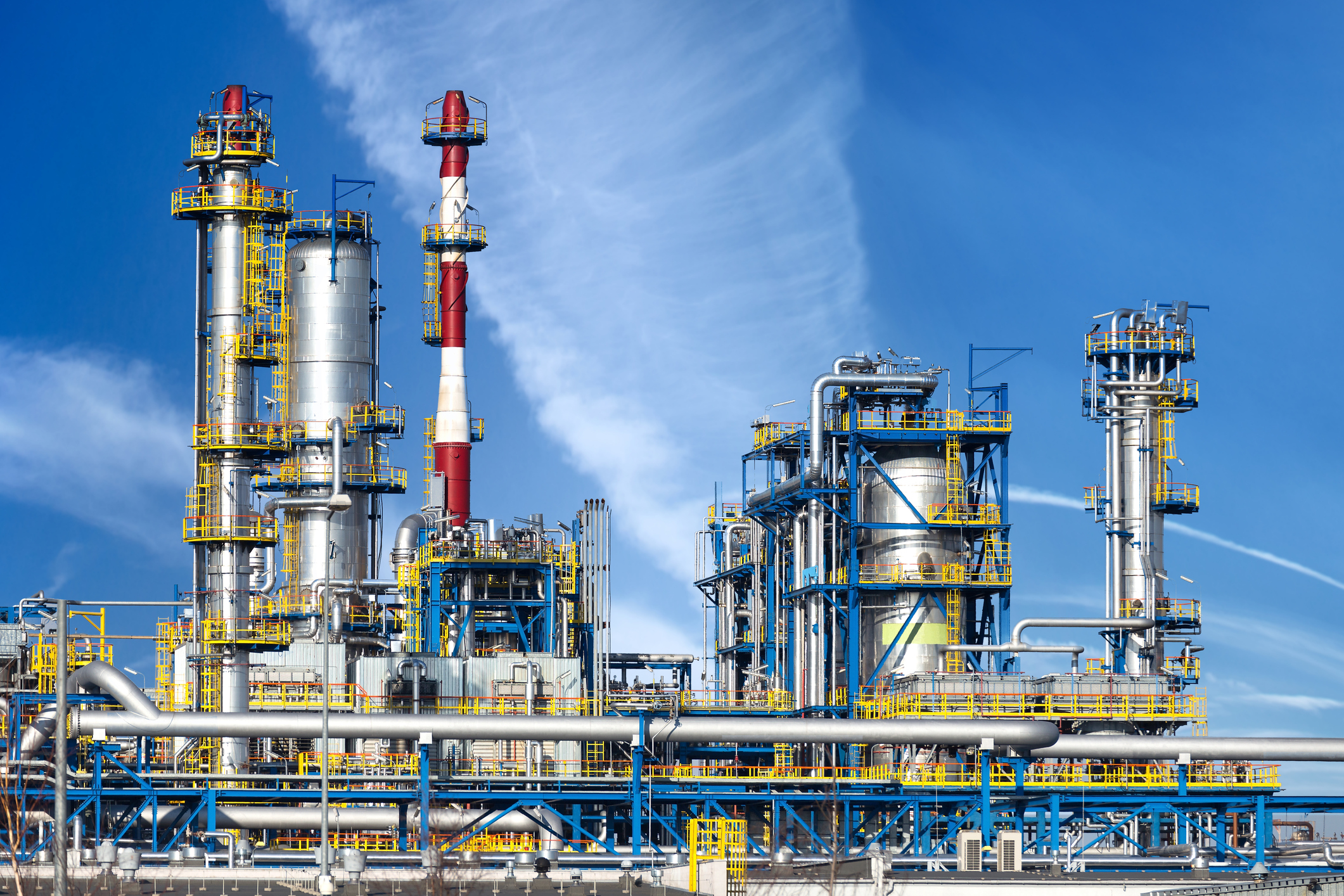
Forecast movement
Predict where chemicals may travel through water, air and along shorelines.
Chemical discharge modeling and response
CHEMMAP predicts the transport, fate and potential biological impacts of chemical releases in marine, freshwater and atmospheric environments, helping teams visualize outcomes, assess risk and support response decisions.
Built for complex release scenarios
Chemical spills behave differently depending on the substance, environmental conditions and release scenario.
CHEMMAP brings these variables together in one modeling system so users can forecast transport, evaluate concentrations, explore uncertainty and understand potential environmental impacts.
Predict where chemicals may travel through water, air and along shorelines.
Assess changing concentrations, exposure pathways and potential environmental receptors.
Test worst-case scenarios, train response teams and support contingency planning.
Complex science made visual
Use the placeholders in this section for CHEMMAP screenshots showing surface concentrations, dissolved plumes, atmospheric dispersion, sediment accumulation and 3D model results.


Advanced modeling capabilities

Trajectory and fate modeling
CHEMMAP simulates spreading, transport, dissolution, volatilization, degradation, sediment interaction, resuspension and shoreline contamination across time.
Stochastic modeling services
Service-based stochastic studies evaluate the range of possible contamination outcomes, probability of threshold exceedance and statistical distributions of model results.
A connected modeling workflow
Select substance properties, release amount, duration, phase and discharge depth.
Configure location, timing, release conditions and environmental assumptions.
Use winds, currents, temperature, salinity, bathymetry and related datasets.
Examine concentration fields, fate processes, sediment interaction and potential exposure.
CHEMMAP processes
Simulate the movement and spreading of floating chemicals and materials.
Model evaporation, volatilization and dispersion through the atmosphere and water column.
Track changing concentrations as substances dissolve, transform and naturally degrade.
Evaluate accumulation, resuspension, shoreline contact and contamination pathways.
Key applications
Forecast movement and concentrations to support response strategies and operational decisions.
Model worst-case discharge scenarios and identify locations or resources that may be affected.
Evaluate point-source discharges, exposure risks and past events to understand environmental outcomes.
Built on robust data and science
CHEMMAP combines global environmental datasets, scientific process models and an extensive chemical database.
Users can work with currents, winds, temperature, salinity, bathymetry and other real-time or historical datasets, alongside substances such as acids, bases, petroleum hydrocarbons, ammonia and floating materials.
Use winds, currents, temperature, salinity, bathymetry and related model inputs.
Model a broad range of hazardous and noxious substances and floating materials.
Connect to live and historical environmental data services for scenario-specific conditions.
Visualization and integration
Explore model results in a map-centered environment with optional integration into other GIS platforms.
Visualize how surface, dissolved and atmospheric concentrations change throughout a scenario.
Examine vertical and horizontal plume behavior through enhanced three-dimensional views.
Use multiple hydrodynamic data formats to support site-specific and operational workflows.
Software support
Registered users can access account information, application updates and software support documentation through the support portal.
Software support loginStart a conversation
Connect with the Ocean Science team to discuss CHEMMAP, spill response, contingency planning, environmental assessment, stochastic studies or data integration.